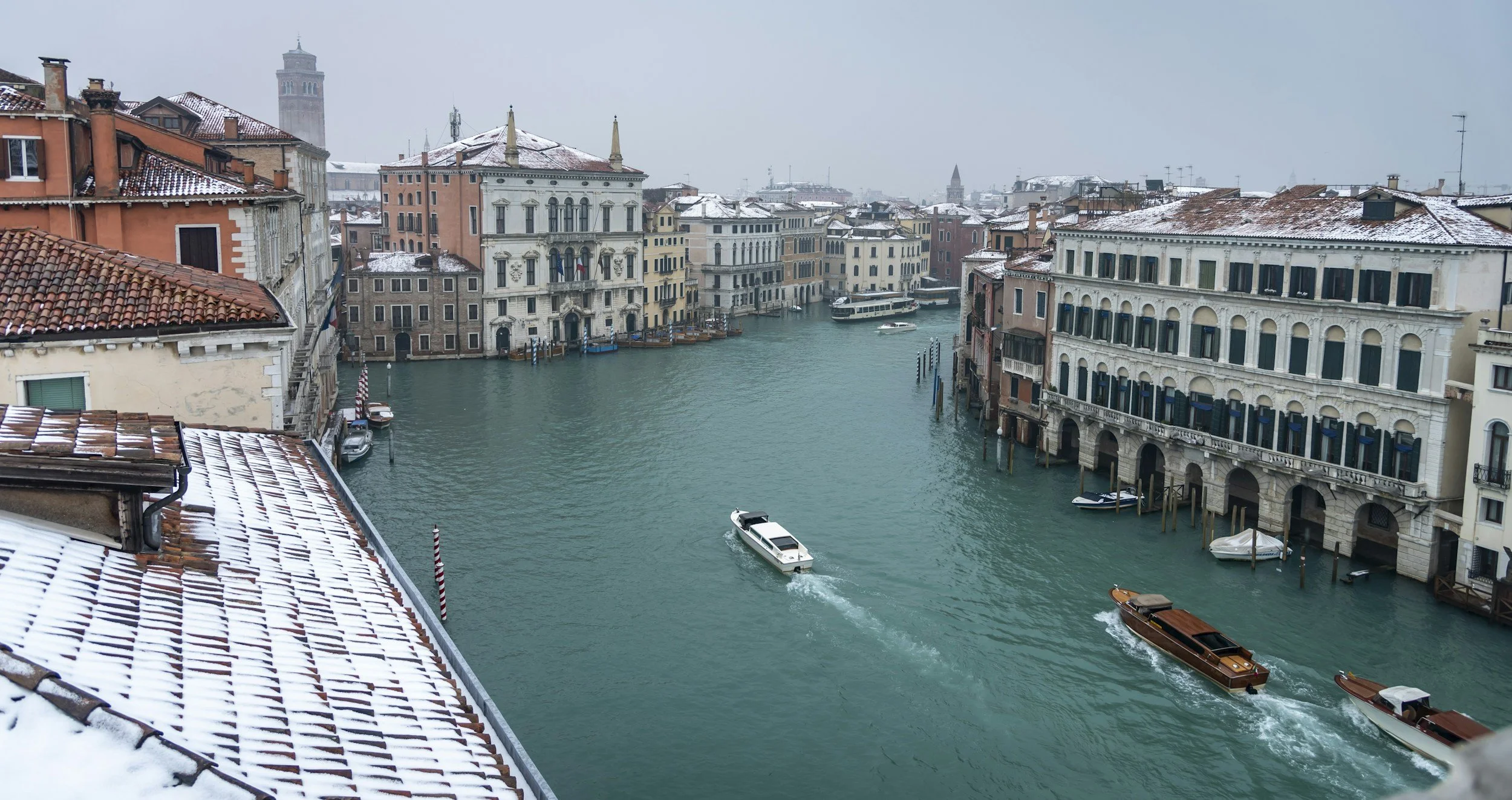
Venice in Winter: The Quiet Season Few Travelers Talk About
When winter settles over Venice, the city finally exhales.
Crowds fade, the canals turn still and glassy, and a soft mist wraps the lagoon like a veil. Sounds seem quieter. Movements feel slower. Venice becomes something rare — a calmer, more intimate version of itself.
Most travelers imagine Venice in spring or summer, when every piazza is full and the heat shimmers over the water. But winter? Winter is when the city reveals its truest character. It feels more local, more accessible, and more magical than many expect.
A City of Silence and Reflection
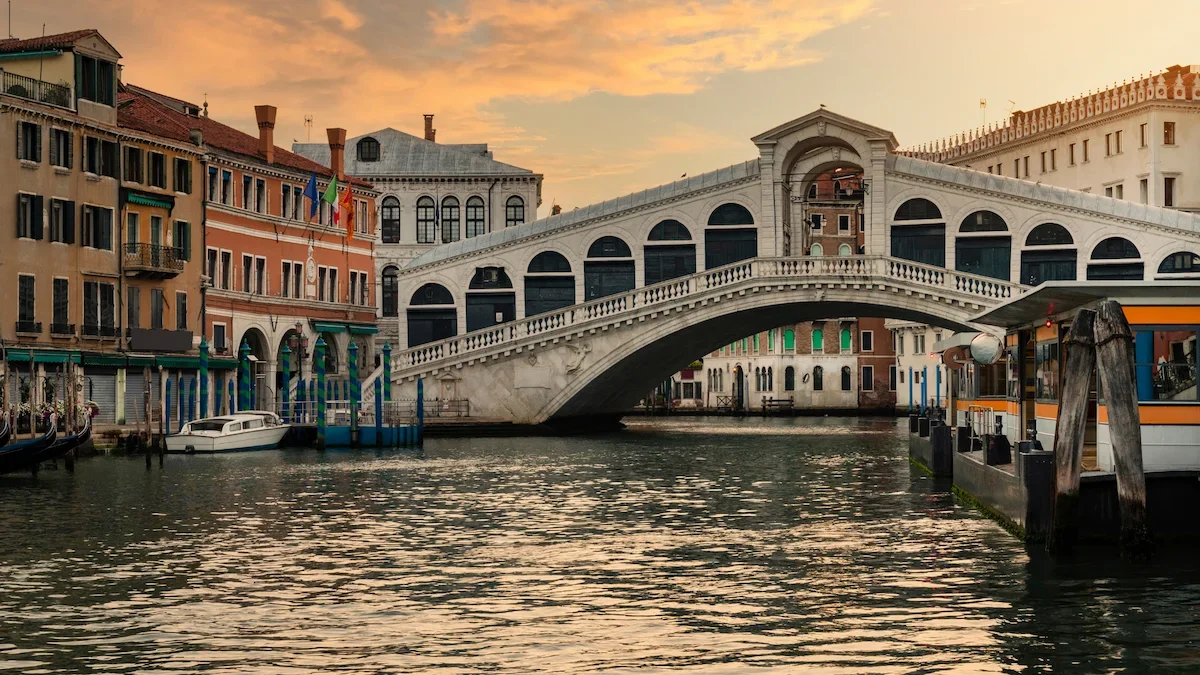
In winter, Venice feels like it belongs entirely to you. Stand on the Rialto Bridge at sunrise and the only sound you’ll hear is the gentle movement of the water below.
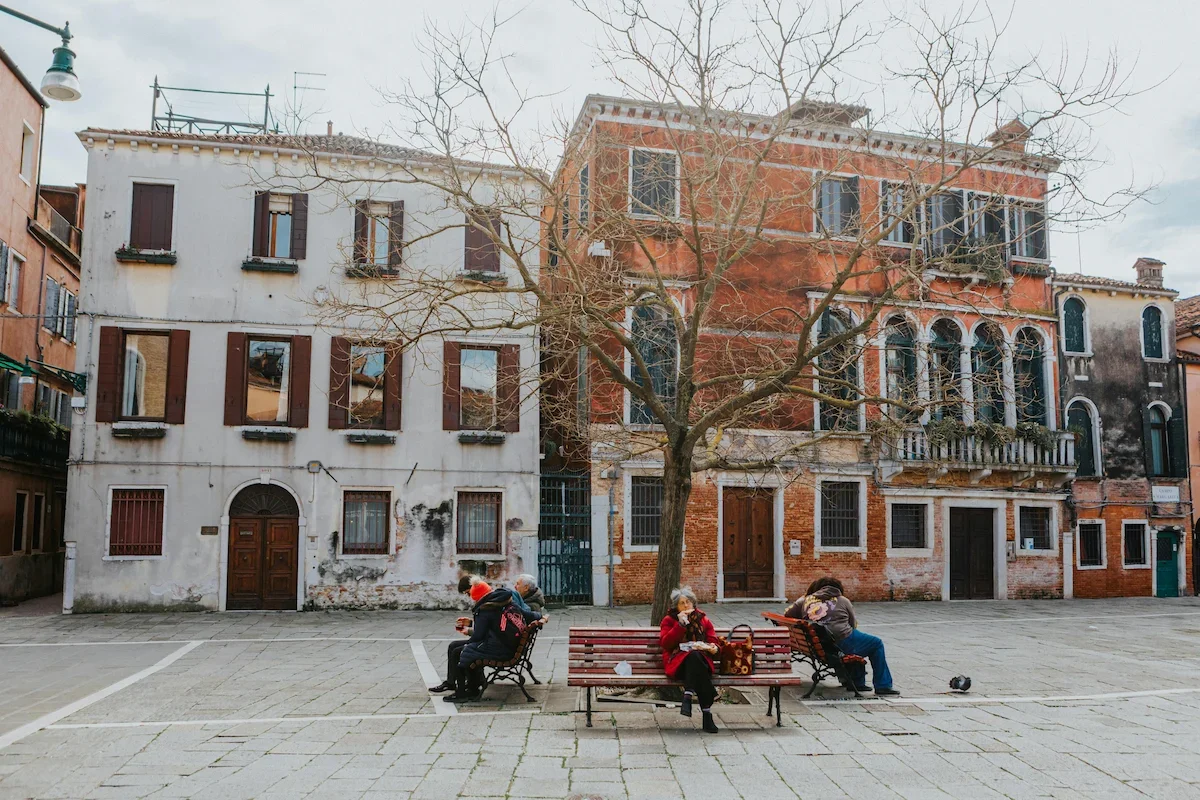
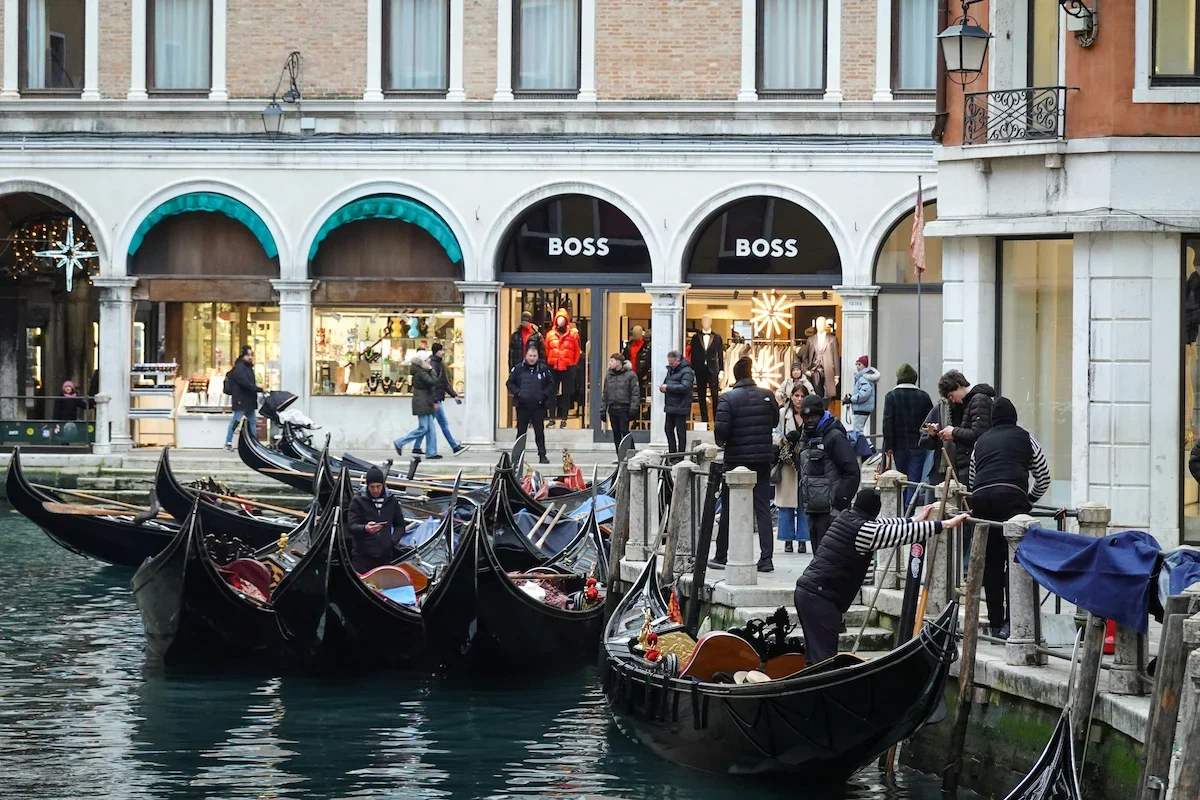
The air is crisp, the fog settles low over the canals, and everything moves at a quieter rhythm. Gondoliers glide by almost silently, their voices softened and echoing between ancient walls. Cafés fill with locals again — slow mornings, familiar faces, no crowds.
For the first time, you’re not rushing. You’re listening.
And in that stillness, the city feels more intimate than ever.
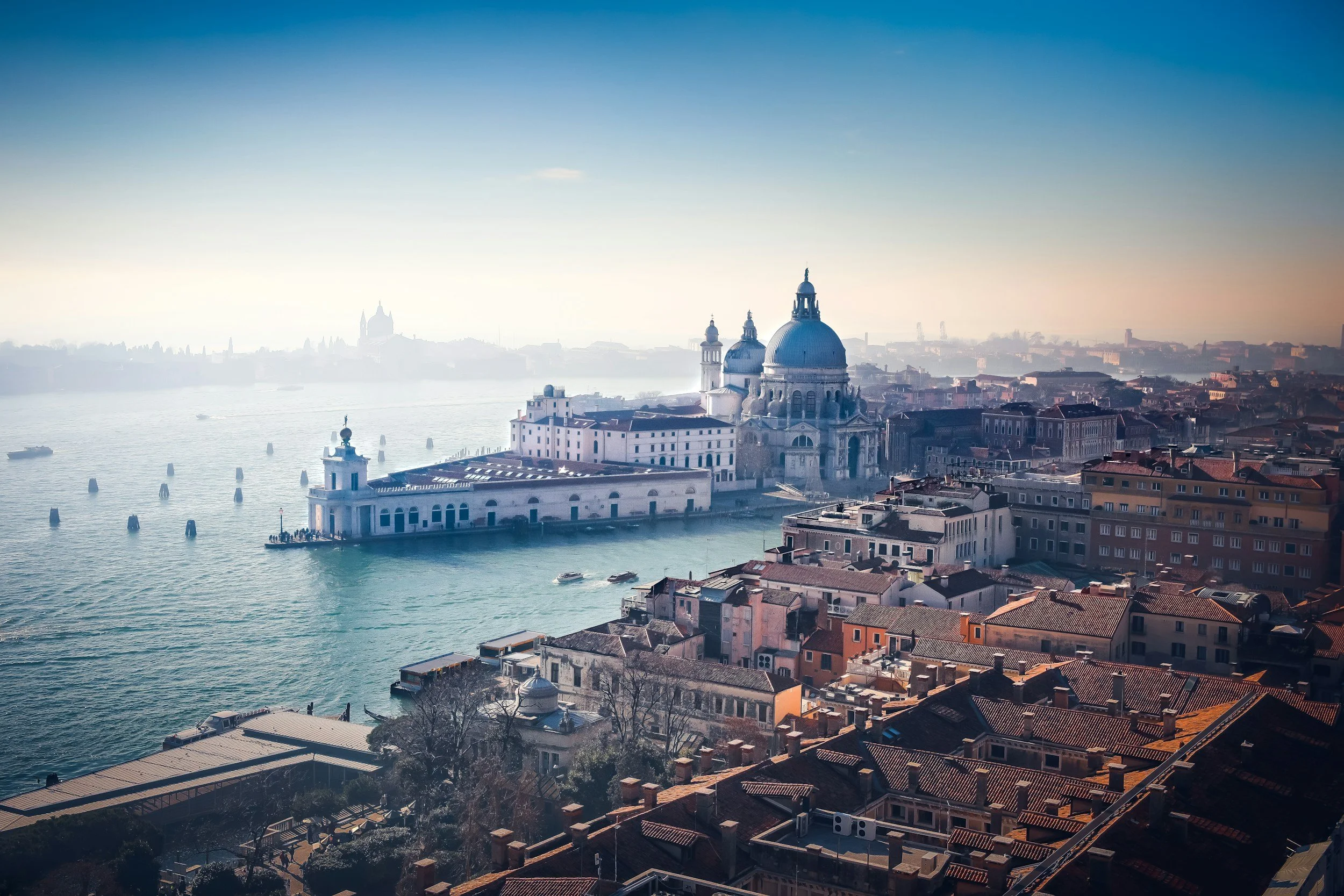
It’s almost impossible to believe that this peaceful place is one of Europe’s most visited destinations. In winter, Venice becomes something rare: a city you can finally feel up close.
Fewer Crowds, Deeper Moments
If you’ve ever wished to experience Venice without the rush and noise, winter is your moment.
Museums and galleries — from Gallerie dell’Accademia to Palazzo Grassi — can be explored slowly, without queues or crowds pressing behind you.
Cafés and wine bars finally have room to linger. Locals chat freely, and you might overhear tips and stories no guidebook ever mentions.
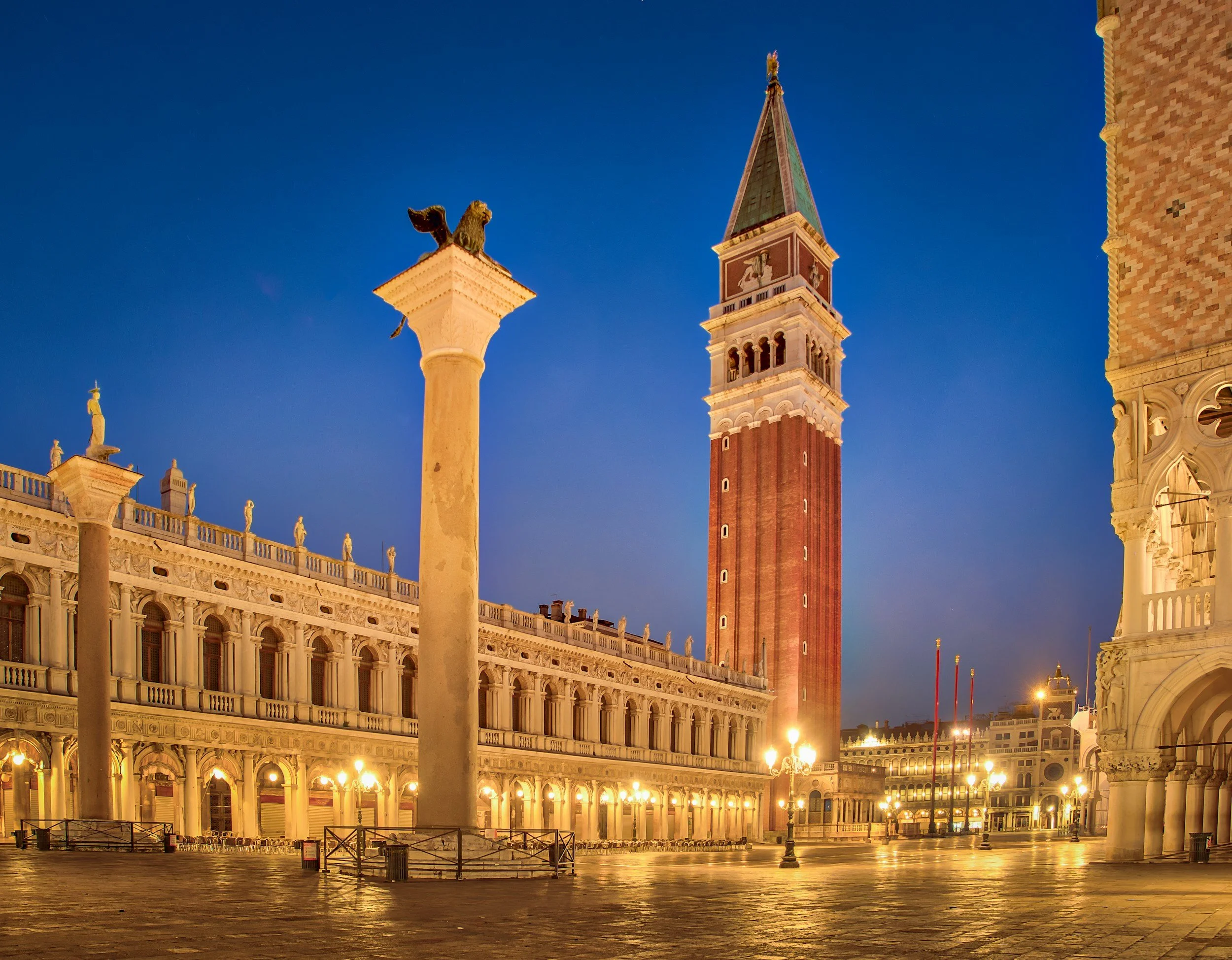
Piazza San Marco takes on a near-sacred quiet, its vastness softened by the season.
Winter offers something no itinerary can guarantee:
the chance to truly feel Venice, instead of simply seeing it.
A Different Kind of Beauty
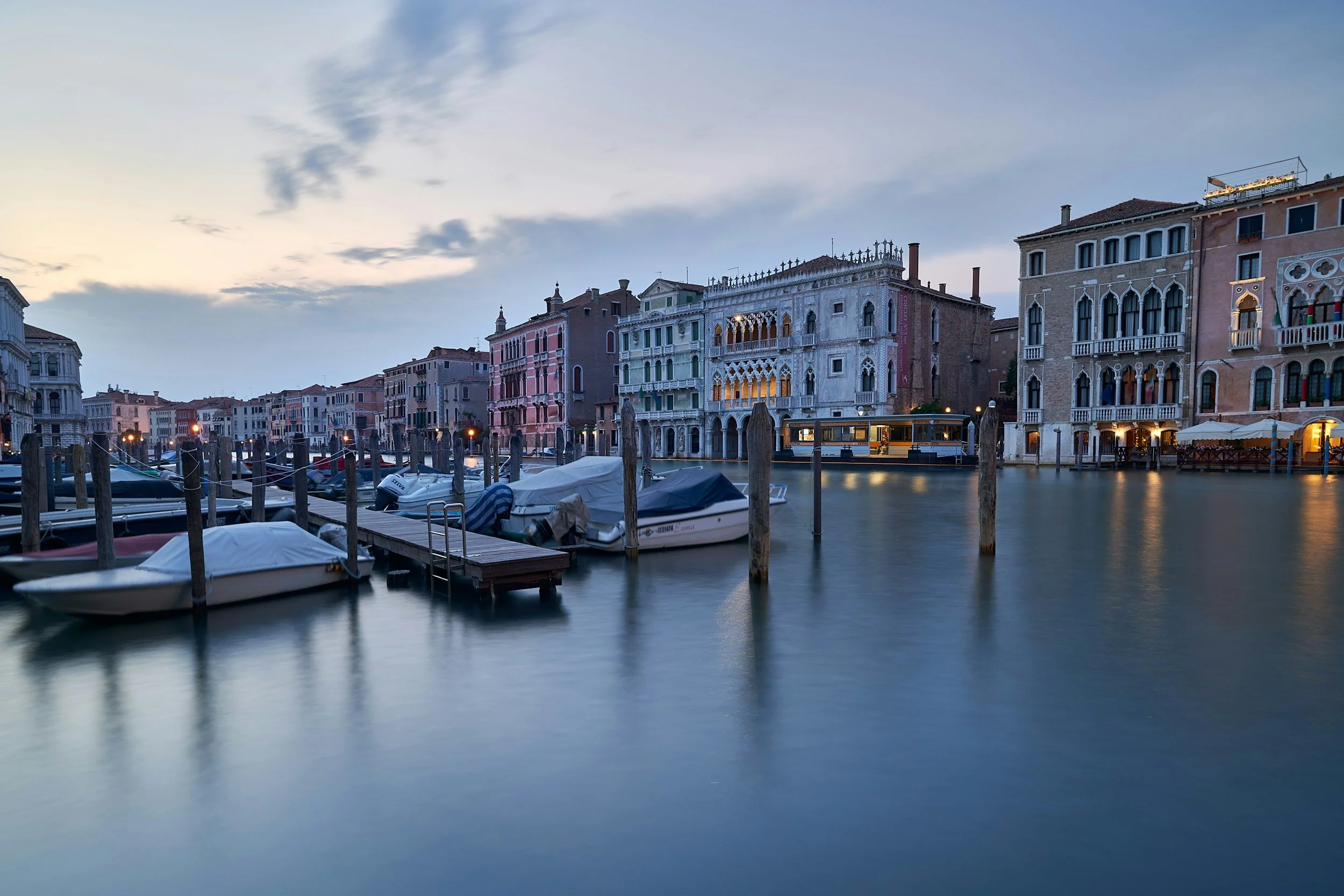
There’s something poetic about Venice in winter — fog drifting across the lagoon, lights reflecting softly on wet stone, and colors fading into gentle, silvery tones.
Photographers call this the “silver season” — when the city’s palette softens, and every canal looks like a still frame from a film. Even the simplest walk from Santa Croce to Dorsoduro feels cinematic.
If you prefer slow travel, quiet streets, and moments that unfold naturally, winter is when Venice feels made for you.
What to Know Before You Visit
A few small adjustments can make a winter trip to Venice effortless:
• Dress in layers and bring a waterproof jacket — the humidity can make the cold feel sharper.
• Plan café stops ahead of time — many shops close for lunch or operate with shorter winter hours.
• Try sarde in saor, a sweet-and-sour Venetian classic that’s especially comforting on colder days.
• Wake up early — Venice at dawn in winter is quiet, ethereal, and unforgettable.
Travel Smarter in the Off-Season
Winter in Venice isn’t about packing your days with activities. It’s about slowing down — and experiencing the city more deeply.
That’s why I created The Venice Cheat Sheet: a one-page digital guide that helps you explore with intention, whether you visit in the height of summer or during the quiet winter season.
It brings together the essentials — routes, local favorites, hidden corners — so you can wander freely without worrying about what you might be missing.
🗺️ Discover The Venice Cheat Sheet
Your elegant shortcut to exploring Venice with ease, in any season.
The Season Few See — But Everyone Remembers
Venice in winter isn’t for everyone — and that’s exactly why it’s unforgettable.
When the mist drifts in and the crowds fade away, the city becomes timeless again. The lagoon slows, the lights soften, and the silence feels almost sacred.
If you want to meet Venice at its quietest, its realest, and quite possibly its most beautiful — come when the world isn’t watching.
Keep Exploring Venice