
Travel Planning Made Simple: A Step-by-Step Guide for Modern Travelers
How to organize better trips, reduce stress, and enjoy more meaningful travel experiences.
Travel often looks effortless in photos, but behind every smooth trip is thoughtful planning. I learned this the hard way—through missed connections, poorly located hotels, and trips that felt more exhausting than enjoyable. Over time, I realized that good travel planning is not about controlling every moment. It is about making a few smart decisions early so the rest of the journey can unfold naturally.
This guide walks you through the exact steps I now follow before every trip—whether it’s a short city break or a longer international adventure.
Why Smart Travel Planning Matters
Great trips rarely happen by accident. Thoughtful preparation reduces stress, prevents overspending, and allows you to focus on what truly matters: the experience.
Smart travel planning helps you:
Avoid common tourist mistakes
Maximize time and budget
Travel with flexibility and peace of mind
The goal is not rigid scheduling—it is intentional freedom.
Step 1: Choose Destinations That Match Your Travel Style
Before booking flights or hotels, the most important question is not where you should go, but how you want to feel when you get there.
Early on, I made the mistake of choosing destinations based solely on popularity. The result was often disappointment—not because the place was bad, but because it did not match my energy, expectations, or travel rhythm.
Before you decide on a destination, ask yourself:
Do I want rest, exploration, or a balance of both?
Am I traveling solo, with a partner, or with family?
Do I enjoy slow mornings and cafés, or packed itineraries and movement?
Choosing a destination aligned with your travel style reduces burnout and increases satisfaction. When the destination fits you, everything else becomes easier.

Step 2: Book the Essentials First (Flights & Accommodation)
Once your destination is clear, focus on the two elements that shape your entire trip: flights and accommodation.
These bookings usually take up the largest part of the budget, but they also have the biggest impact on comfort and timing. Booking early gives you better choices—not just cheaper prices.
Over time, I’ve learned to prioritize:
Flight times that protect my energy, not just my wallet
Accommodation near public transport or walkable areas
Recent reviews that describe real experiences, not marketing promises
A well-located hotel can save hours every day and completely change how you experience a city.
Helpful tools for this stage:
This is the point in planning where good tools genuinely make a difference.
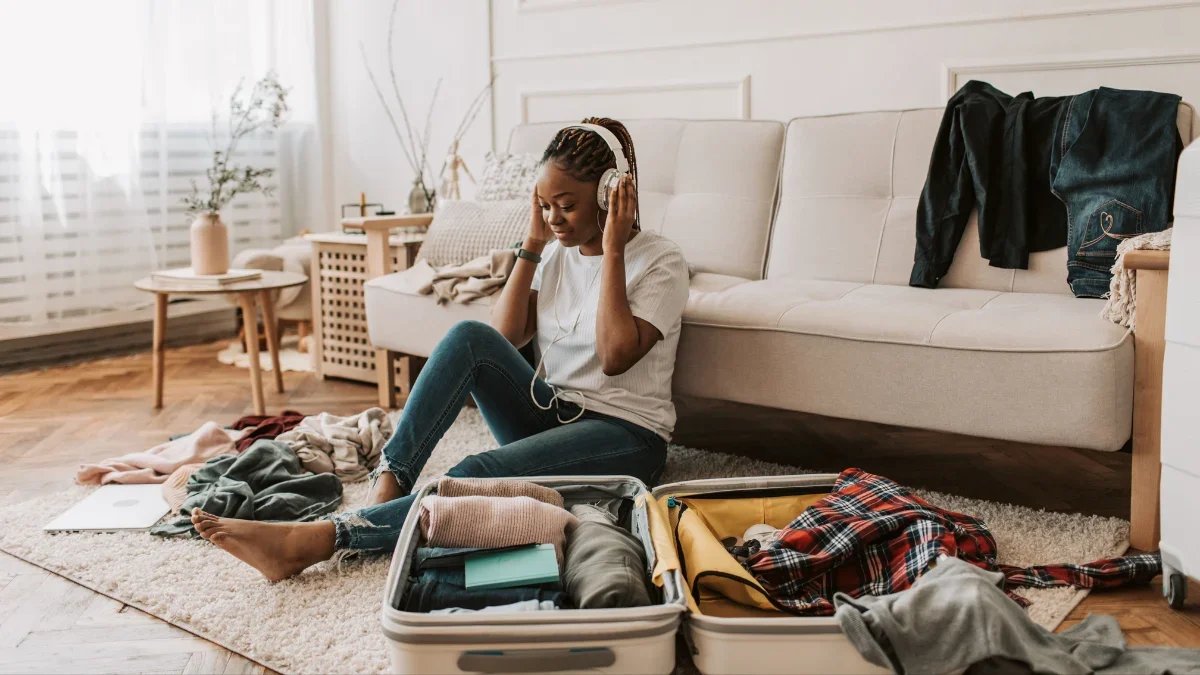
Step 3: Pack Light, Pack Smart
Packing used to stress me out more than planning the trip itself. Too many options, too much “just in case,” and a suitcase that felt heavier every step of the journey.
What finally worked was shifting my mindset: packing is not about bringing more, it’s about bringing better.
Now, I focus on:
Clothing that works across multiple situations
Comfortable shoes I know I can walk in all day
Essentials that cannot be easily replaced at the destination
Travel feels lighter—mentally and physically—when your bag is not working against you.
Step 4: Use Technology to Travel More Confidently
The right tools can quietly solve problems before they become problems.
I no longer rely on constant internet access or printed documents. Instead, I prepare once and let technology support me along the way.
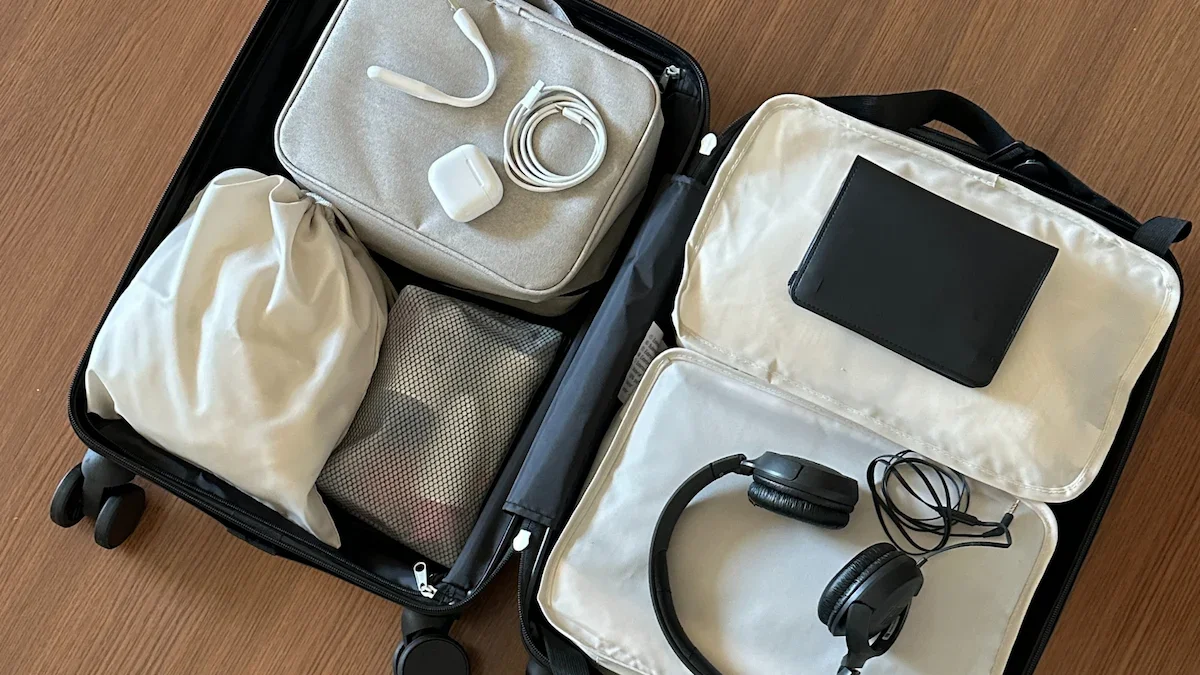
Some of the tools I always set up before departure include:
Offline maps and saved locations
Currency conversion and expense tracking
Translation apps for simple interactions
Secure cloud storage for documents
This preparation gives me freedom. When something unexpected happens, I’m not scrambling—I’m adjusting.
Planning Essentials I Secure Early
There are a few essentials I always arrange early, because they protect the trip as a whole.
These are not extras—they are safeguards:
Having these sorted in advance removes unnecessary stress once the trip begins.
Step 5: Travel Thoughtfully and Leave Space for the Unexpected
The best travel moments rarely come from rigid plans. They come from conversations, small discoveries, and moments you didn’t anticipate.
Thoughtful travel means:
Supporting local businesses
Respecting cultural norms
Staying curious rather than rushed
Planning well allows you to let go once you arrive. When the foundation is solid, you can be present—and that is where travel becomes meaningful.
Final Thoughts
Travel does not need to be complicated to be fulfilling. A few intentional decisions at the beginning can transform how the entire journey feels.
Plan enough to feel confident. Leave enough space to be surprised.
That balance is where the best trips live.
Some links in this article may be affiliate links, which means I may earn a small commission at no extra cost to you. I only recommend tools I personally use or trust.
