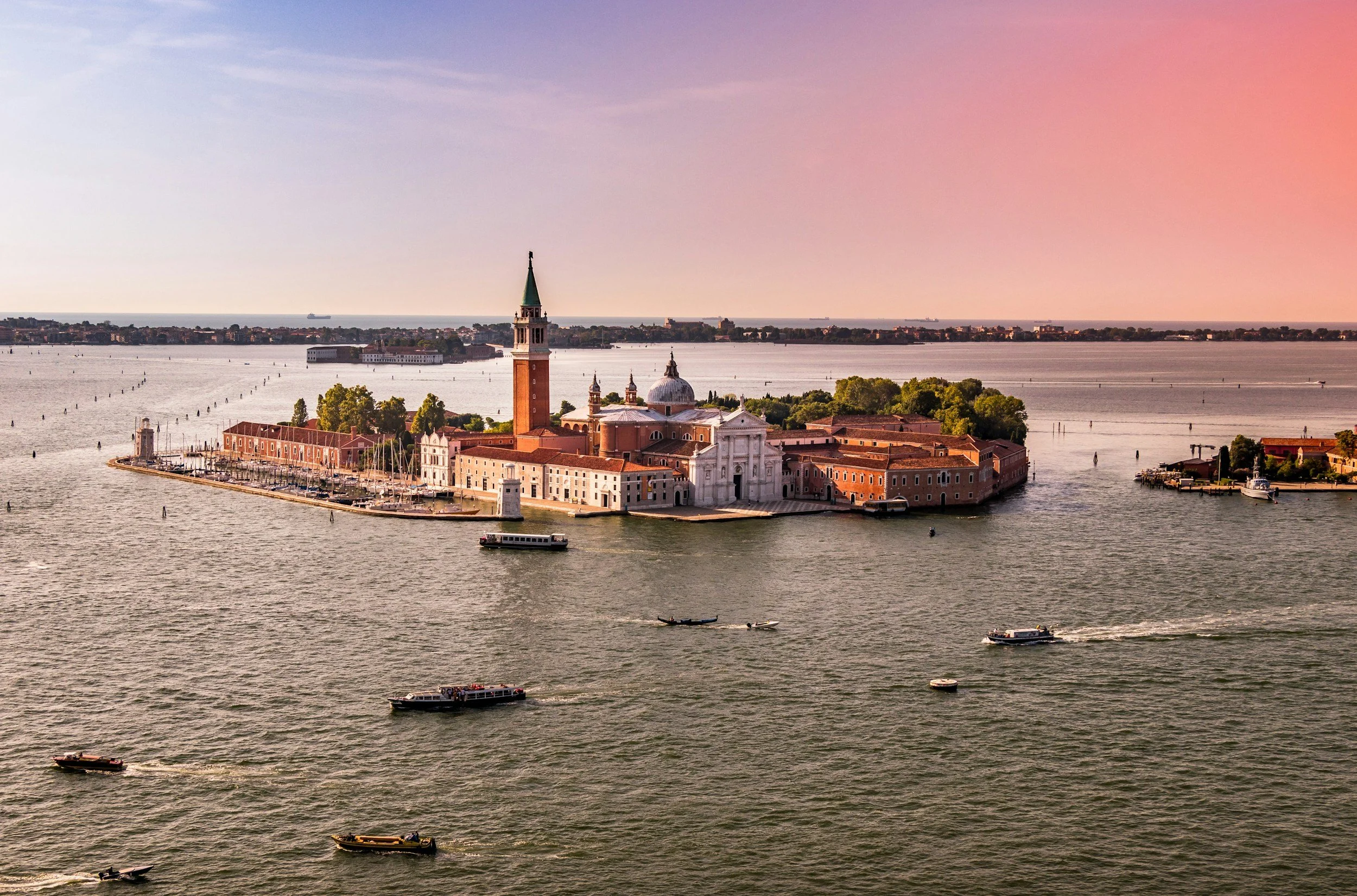
Venice Italy
Plan Venice without the overwhelm
Everything you need - where to stay, what to book,
and how to plan your trip - all in one place
We simplify what others overcomplicate.
No endless research
We’ve done the searching so you don’t have to.
Real, curated recommendations
Handpicked by travel experts, updated regularly.
Everything in one place
Plan, organize and book — all in one place.
Curated for you
Handpicked Venice recommendations that save you time.
Practical & actionable
Step-by-step planning you can actually follow.
Real support
Helpful guidance when you get stuck or need direction.
Everything in one place
Guides, tools, booking essentials, and planning help together.
Choose what you need for your Venice trip.
Plan your trip step by step, explore curated Venice guides, or use the Cheat Sheet when you want everything in one clear place.
Before you go
Finish your Venice setup with essential tools for protection, connectivity, and smoother travel.
Venice travel essentials
Set up the practical side of your trip first — from insurance and eSIMs to transfers, support, and the small details people often forget before leaving.
Explore essentials >
Travel Insurance
Stay protected with the right coverage before your trip starts.
Compare options >
Flight Delay Help
Check if you may be eligible for compensation after delays or cancellations.
Get help >
eSIM
Stay online in Venice without searching for local SIM cards.
View eSIM options >Questions before you plan Venice
Clear answers for first-time visitors, from how many days you need and where to stay to what to book, what to skip, and how Minerave helps you organize the trip.
Yes. Venice is a beautiful first-time destination, but it can feel confusing at the beginning because of bridges, canals, narrow streets, water transport, and crowded areas. A clear plan helps you enjoy the city without feeling overwhelmed.
Two full days are enough for the main highlights. Three days is better if you want to enjoy Venice more slowly, add Murano or Burano, and avoid rushing between every attraction.
Start with your travel dates and stay. Venice is very location-sensitive, so choosing the right area matters. After that, book important tickets or tours like Doge’s Palace, St. Mark’s Basilica, gondola rides, food tours, or island trips if they fit your plan.
For a first trip, staying near San Marco, Rialto, Cannaregio, or Dorsoduro can work well depending on your budget and travel style. San Marco is central but busy, while Cannaregio and Dorsoduro can feel more local and calmer.
May, June, September, and October are usually the best balance for weather and atmosphere. July and August are hotter and more crowded. Winter can be quieter and cheaper, but the weather is less predictable.
You can walk a lot in Venice, but water buses are useful for longer routes, luggage days, islands, and getting across the Grand Canal. If you plan to use vaporetti often, a transport pass can be easier than buying single tickets again and again.
It depends on your budget and expectations. A gondola ride is iconic and romantic, but it is not necessary for every traveler. If you want the experience, book it intentionally. If you are on a budget, you can still enjoy Venice beautifully without one.
Yes, if you have at least three days or want a slower lagoon day. Burano is colorful and photogenic, while Murano is known for glassmaking. If you only have one full day in Venice, focus on the main city first.
Avoid planning too much in one day, eating only around the busiest tourist squares, ignoring walking distances, and choosing a stay without checking transport access. Venice is best when you leave space to wander.
Minerave helps you decide what fits your trip first, then connects you with trusted partner tools for activities, stays, flights, insurance, eSIMs, transfers, and other travel services when you are ready to book.
The Venice Cheat Sheet is designed to help you plan faster with organized recommendations, clickable places, practical tips, planning pages, and offline-friendly structure. It brings the useful details together so you do not need to collect everything from different platforms.
Free guides are helpful for inspiration, but they can be scattered. The Cheat Sheet is for travelers who want everything organized in one clear place, with practical planning support and easy access while preparing for the trip.