Chinatown & Charoen Krung, Bangkok
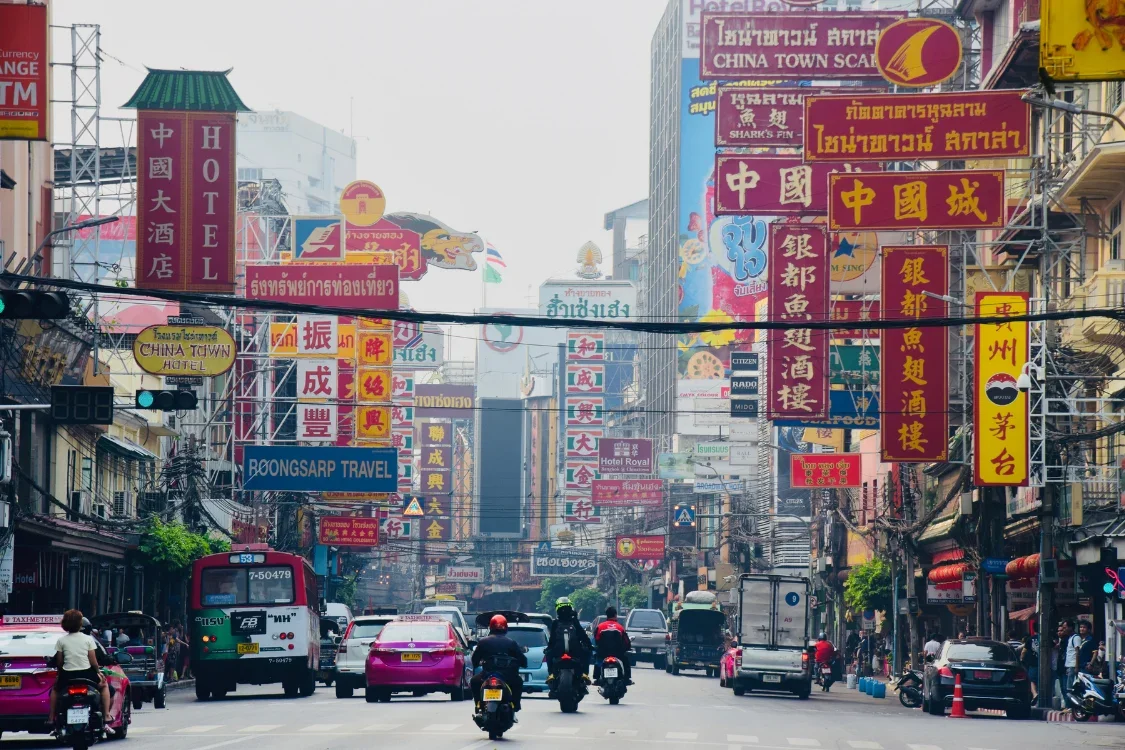
Chinatown is one of Bangkok’s most atmospheric areas to stay in, especially if you want street food, old streets, temples, markets, local energy, and a more character-filled side of the city.
This area feels lively, historic, and deeply local compared with Siam, Sukhumvit, Silom/Sathorn, or Riverside. It is not the calmest or most polished base, and it can feel busy in the evening, but it gives Bangkok a very different feeling: Yaowarat food streets, gold shops, Chinese temples, market lanes, old shophouses, and a strong sense of place.
For first-time visitors, Chinatown can be a strong choice if you want Bangkok to feel real, energetic, and food-focused rather than purely convenient. You can stay close to Yaowarat Road, visit Wat Mangkon Kamalawat, explore Sampeng Market, reach the old town and riverside areas more easily, and use MRT, taxis, or short rides to move around the city.
Chinatown is best for travelers who want
- Street food, local restaurants, markets, and a strong evening atmosphere
- A historic Bangkok base with old shophouses, temples, and local character
- Easy access to Yaowarat Road, Wat Mangkon Kamalawat, Sampeng Market, and old Bangkok
- A more cultural and food-focused stay than Siam, Sukhumvit, or Silom/Sathorn
- MRT access for reaching the old town edge, riverside areas, and central Bangkok
- A lively base that feels real, atmospheric, and full of Bangkok energy
Chinatown may not be best if you want
- A calm, polished hotel district with luxury stays and quiet evenings
- The easiest BTS access for daily movement across Bangkok
- Large malls, modern cafés, and shopping centers directly around your hotel
- A nightlife area with bars and clubs close together like Sukhumvit
- A simple first-time base where everything feels organized and easy
For most first-time visitors, the best Chinatown zones are Yaowarat Road, Wat Mangkon, and the Riverside / Talat Noi edge. Yaowarat is best for food and evening energy, Wat Mangkon is practical for MRT access and temple stops, while Talat Noi and the riverside edge feel more atmospheric, creative, and easier to combine with old Bangkok and river plans.
Minerave hotel picks in Chinatown
Choose a Chinatown stay that fits your Bangkok travel style - from practical value hotels near Yaowarat and MRT access to modern lifestyle stays and boutique hotels with old Bangkok character, street food, temples, markets, and strong evening atmosphere nearby.
W22 by Burasari
ASAI Bangkok Chinatown
Shanghai Mansion Bangkok
Minerave Tip
In Chinatown, the best hotel depends on how much energy you want around you.
Yaowarat Road is best for street food, neon signs, evening atmosphere,
and being close to the main action, while Wat Mangkon is better if you
want MRT access and easier movement around Bangkok.
If you are sensitive to noise, check the exact location before booking. Chinatown is one
of Bangkok's most atmospheric areas, but the streets can feel busy at night, especially
near Yaowarat and the main food zones.
Where to eat in Chinatown — Yaowarat
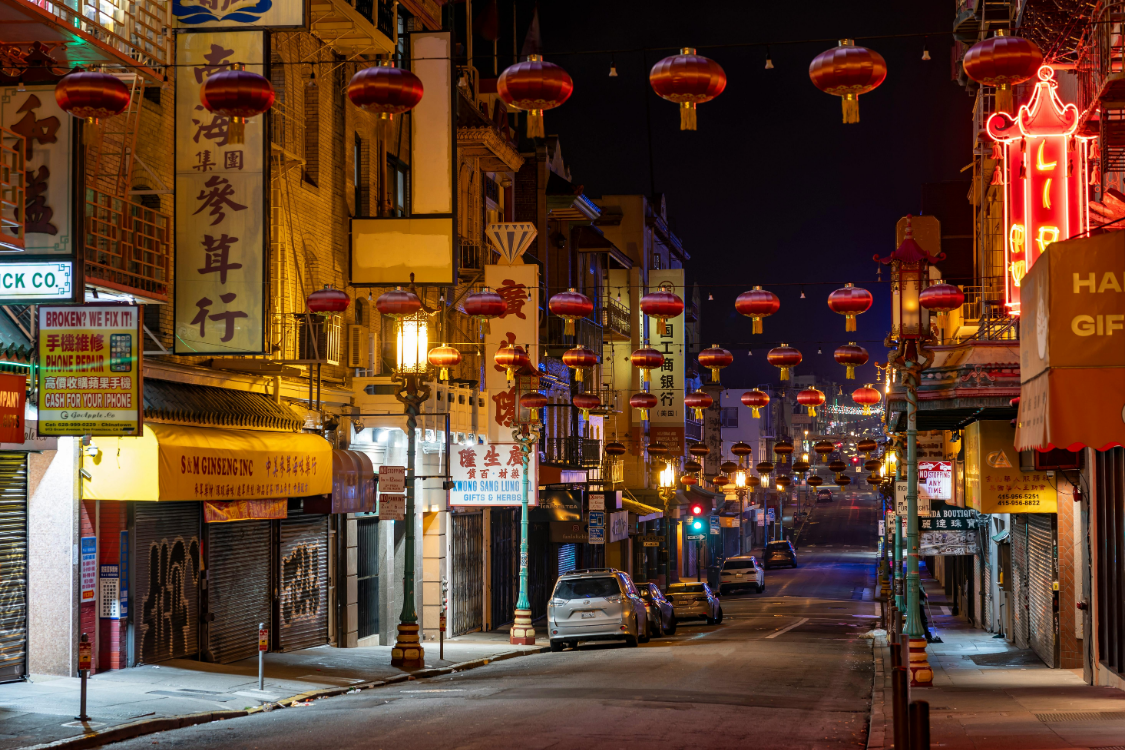
Chinatown is where Bangkok eats seriously. Yaowarat Road after dark is neon, noise and the smell of charcoal grills — one of the best street food experiences in Southeast Asia, full stop. But the area works just as well before sunset, when the streets are quieter and the rice soup shops are still warm. Come hungry. Come more than once.
The reason people come to Yaowarat at night
Herethep Seafood
One of the oldest seafood institutions on Yaowarat Road — decades old, still packed every night and still earning it. Seafood shipped directly from the pier, no middlemen. Five palm-sized river prawns for ฿199. The tom yum uses prawn head fat in the broth which gives it a depth most versions don't have. Grab a balcony table on the second floor and watch Chinatown move below you while you eat. No reservations — tables turn over fast. Six minutes from MRT Wat Mangkon.
View on Google Maps >Chinatown before the crowds arrive
Nam Chai Rice Soup
Rice soup — jok — is what Chinatown eats for breakfast, and Nam Chai does it the right way. Warm, thick, comforting and genuinely restorative after a long night or before a long day. The kind of bowl that asks nothing of you. Come early, before the heat sets in and before the lunch crowd arrives. Order the pork and century egg version if you're unsure where to start.
View on Google Maps >บ้านตรอกถั่วงอก (Baan Trok Thua Ngok)
A shophouse restaurant in one of Chinatown's quieter alleys — bean sprout lane, as the name suggests. Simple Thai-Chinese food that hasn't changed in decades because it doesn't need to. Locals eat here because the food is good and cheap and reliable. You should eat here for the same reason, plus the experience of finding it.
View on Google Maps >When you want a break from Thai food
Uncle Bob's
A Western-leaning spot in the middle of Chinatown that somehow works completely. Good burgers, good sandwiches, comfortable inside. Come here when you've been walking Yaowarat for two hours and need something familiar and satisfying before going back out into the heat. Not a Bangkok-specific experience — but a good one, and exactly what it is.
View on Google Maps >Slow down between the neon and the noise
C'est Ici BKK
A French-influenced café in Chinatown that feels like it shouldn't exist here and is better for it. Good coffee, good pastries, a calm interior that contrasts completely with the street outside. Come here mid-afternoon when Yaowarat Road is at its loudest and you need thirty minutes of something quieter before the evening begins.
View on Google Maps >Jao.un
A small café tucked into one of Chinatown's quieter streets — the kind of place that belongs to the neighbourhood rather than performing for tourists. Good coffee, good atmosphere, genuinely comfortable to sit in. Worth knowing as an alternative to the louder, more visible spots on the main road.
View on Google Maps >CHATA Specialty Coffee
Specialty coffee in Chinatown done properly — single origin, careful preparation, the kind of cup that rewards slowing down. Come here in the morning before the heat and the crowds make everything feel harder. A good place to start a day in Yaowarat before you've decided what the rest of it looks like.
View on Google Maps >Minerave Tip
Chinatown works on two completely different schedules. Before noon — quiet alleys, rice soup, local markets, almost no tourists. After 6:30pm — neon lights, packed streets, seafood grills, the full Yaowarat experience. Both are worth your time. If you only have one visit, come at night. If you have two, come in the morning first and you'll see a completely different city.
Plan things to do from Chinatown
Chinatown is one of Bangkok's best areas for street food, temples, markets, old shophouses, night walks, and cultural atmosphere. Use the area for self-guided exploring during the day, then book food tours, walking tours, or tuk-tuk experiences when a local guide makes the evening easier and more memorable.
Yaowarat Road
The main street of Bangkok Chinatown and the best place to feel the area at night. Come for neon signs, street food, seafood restaurants, dessert stalls, gold shops, and a busy local atmosphere that feels completely different from Siam or Sukhumvit.
Wat Mangkon Kamalawat
One of the most important Chinese temples in Bangkok and a strong cultural stop before or after exploring Yaowarat. It works especially well in the morning, when Chinatown feels more local and less crowded than the evening food streets.
Wat Traimit
A major temple near the edge of Chinatown, known for the Golden Buddha. It is a practical first stop if you are arriving from Hua Lamphong or planning a slow walk into Yaowarat, Song Wat, and the deeper Chinatown lanes.
Talat Noi
A more creative and atmospheric edge of Chinatown with old warehouses, street art, cafés, shrines, narrow lanes, and riverside corners. Good if you want a slower walk before moving back toward Yaowarat for dinner.
Chinatown food tour
A good choice if you want to eat confidently in Yaowarat without spending the night guessing where to queue. Food tours usually work best for first-time visitors who want local context, multiple tastings, and a smoother introduction to Chinatown.
Chinatown & Talat Noi tour
A strong choice if you want Chinatown's quieter, more creative side. This type of tour works well for travelers interested in street art, old buildings, shrines, markets, local life, and a more atmospheric daytime route.
Minerave Tip
In Chinatown, keep your own plan flexible: visit Wat Mangkon or Wat Traimit earlier, walk Talat Noi or Song Wat in the afternoon, then arrive around Yaowarat in the evening when the food streets become more alive. Use GetYourGuide when you want a guided food route, a deeper cultural walk, or help finding the best stops without over-planning.
Bangkok experiences
you can book from Chinatown
How to get around Chinatown
Chinatown is one of Bangkok's most walkable and atmospheric areas, but movement works best when you use the right entry points. MRT is usually the easiest way to arrive, walking is the best way to experience Yaowarat, Song Wat, Sampeng, and Talat Noi, while boats, taxis, and Grab are useful when you want to connect Chinatown with the riverside, temples, or your hotel.
Best transport points to know
Chinatown is easiest when you understand where to start. Wat Mangkon is the most convenient MRT stop for Yaowarat, Hua Lamphong is useful for the edge of Chinatown, and Ratchawong Pier helps connect the area with the Chao Phraya River.
View on Google Maps >
View on Google Maps >
View on Google Maps >
View on Google Maps >
How to choose your transport
Chinatown is not an area to rush through by car. Use MRT to arrive, walk once you are inside the neighborhood, and save taxis or Grab for hotel transfers, late-night returns, or when Bangkok heat makes longer walks feel too much.
Arrive by MRT to Wat Mangkon, check in, then keep your first plan close: Wat Mangkon Kamalawat, a short walk through Yaowarat, dinner on the food street, or a slow evening around Song Wat. Save deeper market walks, Talat Noi, and river connections for the next day.
Minerave Tip
In Chinatown, do not plan the area like a normal transport hub. Plan it like a walking neighborhood. Wat Mangkon is best for the main Yaowarat area, Hua Lamphong is useful for Wat Traimit and Talat Noi, Ratchawong Pier connects you with the river, and Sam Yot is helpful when your day continues toward Bangkok Old Town.
Is Chinatown right for your Bangkok trip?
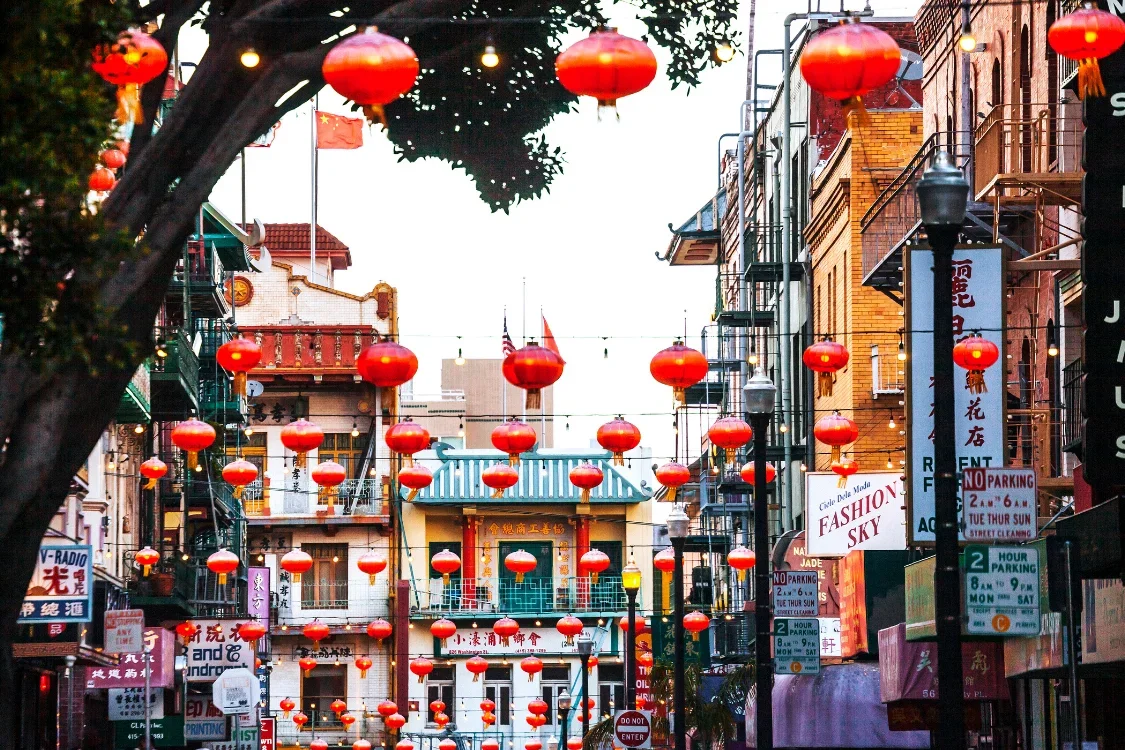
Chinatown is a strong Bangkok base if you want street food, old shophouses, temples, markets, local energy, and a more atmospheric side of the city. It is not the calmest or most polished area, so use this final check before choosing your stay.
Stay in Chinatown if you want
- Street food, markets, temples, and old Bangkok atmosphere close to your hotel
- Easy access to Yaowarat Road, Wat Mangkon, Wat Traimit, Sampeng, and Talat Noi
- A walkable area with strong local character, especially in the evening
- MRT access from Wat Mangkon for easier movement to other Bangkok areas
- A food-focused stay that feels more cultural and atmospheric than a mall district
Choose another area if you want
- A quieter hotel area with calmer streets and a more polished feeling
- The easiest BTS access for daily shopping, cafés, and city hopping
- Luxury hotels, river views, and slower evenings directly by the water
- A modern nightlife and restaurant area like Sukhumvit
- A simple first-time base where everything feels organized and easy from day one
Minerave Recommendation
Chinatown is a strong choice if you want Bangkok to feel local, food-focused, and full of character. Choose Yaowarat Road if you want to be close to the main food streets and evening energy, Wat Mangkon if MRT access matters most, Talat Noi for a more creative and atmospheric edge, or Hua Lamphong if you want better transport access and a slightly easier entry point into the area.
Compare Chinatown with other Bangkok areas
Chinatown is a strong choice if you want street food, markets, temples, old shophouses, and a more atmospheric Bangkok stay. But it is not the calmest or most practical base for every traveler, so compare it with Riverside, Siam, and Silom/Sathorn before choosing your hotel.
Riverside
Best if you want Bangkok to feel calmer, scenic, and more polished, with river views, temples nearby, boat rides, sunset moments, luxury hotels, and softer evenings by the water.
- Best for: river views, temples, couples, premium stays
- Feeling: calm, scenic, polished, slower
- Choose if: you want atmosphere and views more than street energy
Siam
Best if you want Bangkok to feel easy, central, and practical, with malls, food courts, cafés, cinemas, shopping, BTS access, and simple indoor plans close together.
- Best for: shopping, malls, first-timers, BTS
- Feeling: busy, modern, very convenient
- Choose if: you want the easiest central shopping base
Silom/Sathorn
Best if you want a balanced central stay with BTS, MRT, comfortable hotels, restaurants, rooftop bars, Lumpini Park, and easier movement between the river and modern Bangkok.
- Best for: rooftops, transport, hotels, park access
- Feeling: central, polished, balanced
- Choose if: you want convenience without staying in a mall area
Minerave Tip
Choose Chinatown if you want food, culture, old streets, temples, and local atmosphere. Choose Riverside if you want river views and a calmer premium stay, Siam if shopping and central BTS access matter most, and Silom/Sathorn if you want a polished central base with strong transport.
Chinatown FAQ
Is Chinatown good for first-time visitors?
Yes, Chinatown can be a strong choice for first-time visitors who want Bangkok to feel atmospheric, local, and food-focused. It is especially good for street food, temples, markets, old shophouses, and evening walks around Yaowarat. It is less calm and polished than Riverside or Silom/Sathorn, so it works best for travelers who enjoy energy and character.
Which part of Chinatown is best to stay in?
Stay near Yaowarat Road if you want to be close to the main food streets and evening atmosphere. Wat Mangkon is better if you want easy MRT access and a practical base near temples and markets. Talat Noi is better for a more creative, slower side of Chinatown with cafés, street art, old buildings, and riverside character.
Is Chinatown easy for transport?
Chinatown is easy if you use MRT and walking. Wat Mangkon MRT is the most useful station for Yaowarat and the main Chinatown area, while Hua Lamphong is helpful for Wat Traimit and Talat Noi. Taxis and Grab can be useful for hotel transfers, but traffic around Yaowarat can be slow in the evening.
Is Chinatown better than Riverside, Siam, or Silom/Sathorn?
Chinatown is better if you want food, culture, markets, temples, and old Bangkok atmosphere. Riverside is better for river views, calmer hotels, and scenic evenings. Siam is better for shopping and central BTS access, while Silom/Sathorn is better for a polished central base with BTS, MRT, restaurants, rooftops, and park access.
How many nights should you stay in Chinatown?
Chinatown works well for one to three nights, especially if you want street food, temple visits, markets, Talat Noi, Song Wat, and easy access toward the old town. For longer stays, it can still work if you like lively streets, but travelers who want calmer hotels, daily BTS access, or a more polished base may prefer another area.
Plan your Bangkok stay with more clarity
If Chinatown feels like the right base, use the free Bangkok Plan to understand the city, the Cheat Sheet for a more practical phone-friendly guide, and Minerave Book when you are ready to compare stays, airport transfers, food tours, activities, and useful travel services.
Bangkok Plan
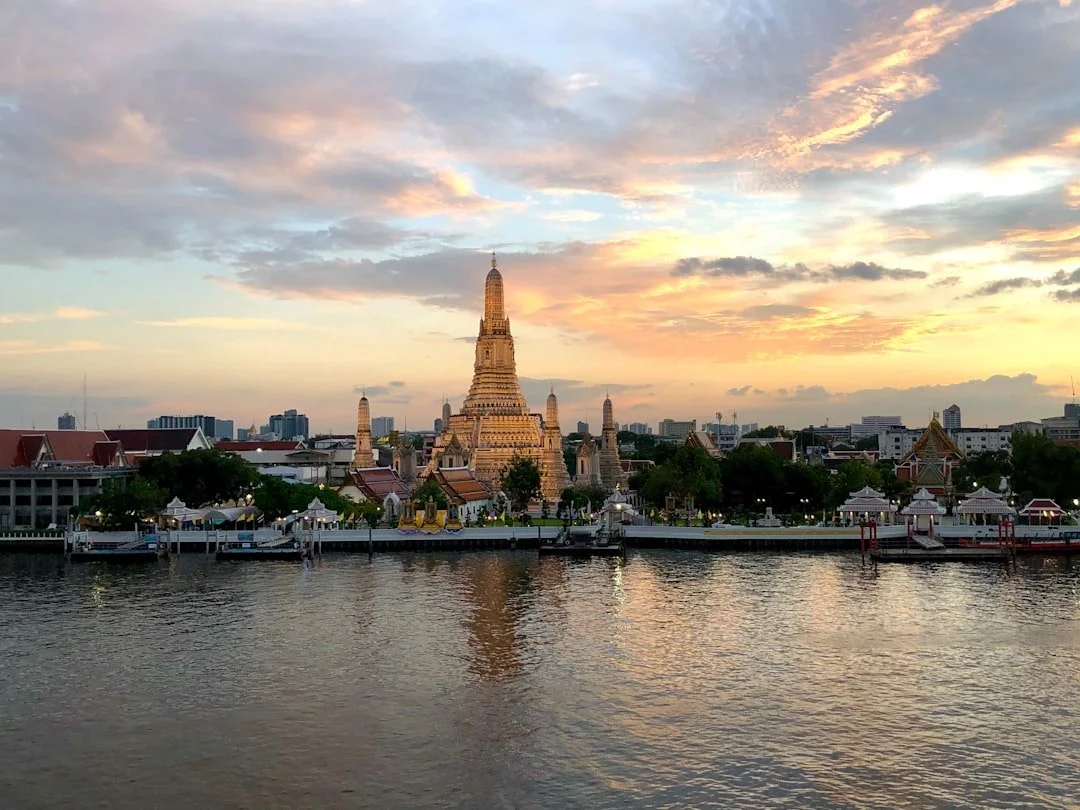
Start with the free Bangkok planning page for areas, timing, transport, hotel direction, airport arrival, food streets, temple days, and what to book before your trip.

Bangkok Cheat Sheet
Use the phone-friendly Bangkok guide for itinerary ideas, clickable places, food spots, temple notes, market tips, transport help, and simple shortcuts while you travel.
Book Bangkok
Compare stays, airport transfers, activities, food tours, travel extras, and useful services once you know whether Chinatown is the right area for your trip.
Minerave tip: choose your Bangkok area before booking your stay. Chinatown is best for street food, markets, temples, old streets, and local atmosphere. Riverside is better for river views, Siam is better for shopping, and Silom/Sathorn is better for balanced central transport.
Still not sure about Chinatown Bangkok?
Ask Minerave and we’ll help you choose the right area, hotel direction, and next steps for your trip.