Wat Traimit

Home of the Golden Buddha & Gateway to Chinatown

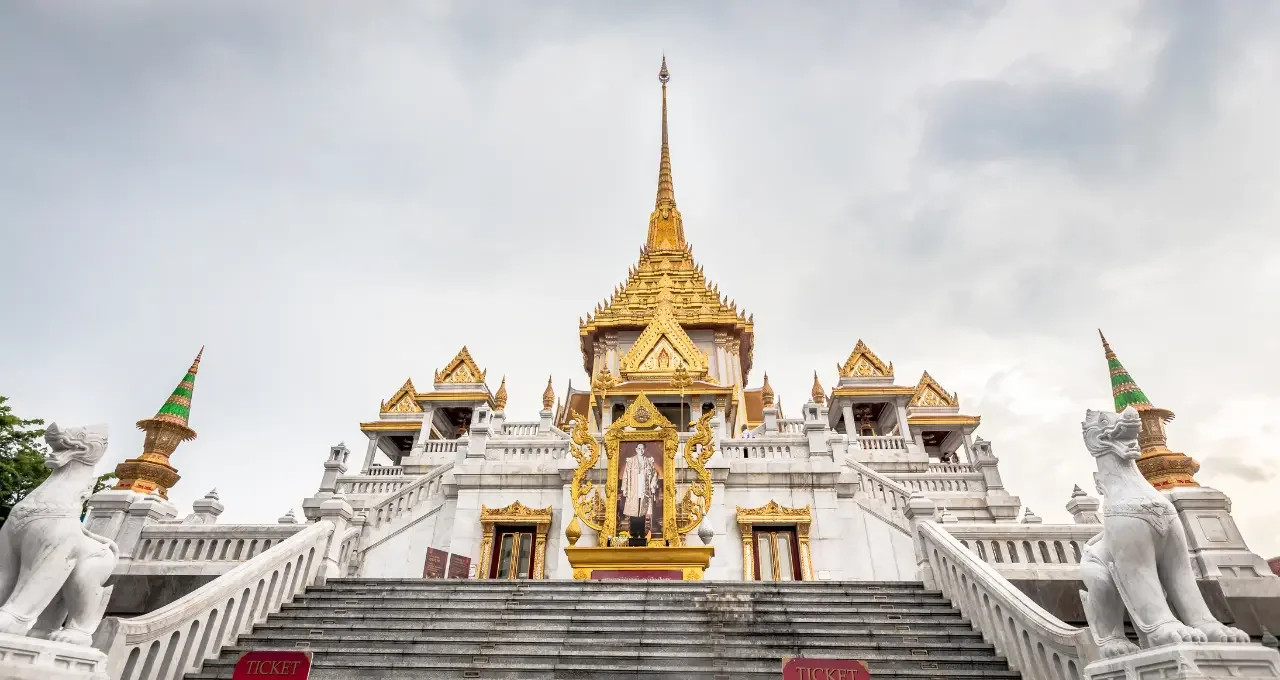
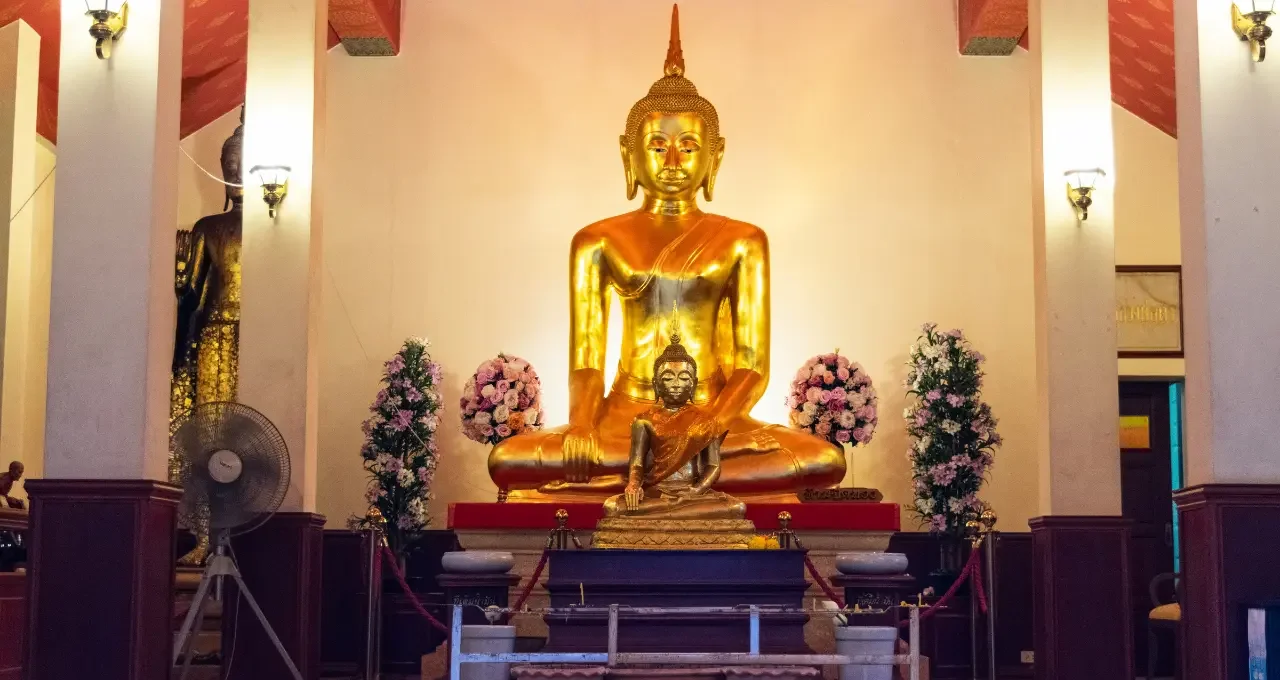
Wat Traimit is one of Bangkok’s most meaningful temples not because of its size or location, but because of what it holds inside. Behind an unassuming exterior near the edge of Chinatown sits the world’s largest solid-gold Buddha statue, a discovery that changed the temple’s place in history almost overnight. This is a stop that surprises people quietly, powerfully, and memorably.

What Makes Wat Traimit Special

Wat Traimit is home to the Golden Buddha, a 5.5-ton statue made entirely of solid gold. For centuries, it was hidden beneath a plaster covering to protect it from invaders. Its true value was only discovered in the 1950s after an accidental crack revealed the gold beneath. That story alone gives the temple a depth that goes beyond visuals. The Buddha itself is serene rather than dramatic, and the atmosphere inside the hall is calm and reverent, a striking contrast to the busy streets just outside.

Why We Recommend Wat Traimit

Wat Traimit works especially well because: It offers huge cultural impact in a short visit, it’s easy to combine with Chinatown exploration, crowds are lighter than at Old Town temples, the story behind the statue adds real emotional weight. This is one of the rare places in Bangkok where history feels personal rather than distant.

Best Time to Visit
Morning
for a quieter experience. 
Midday if you’re already exploring Chinatown. Because the visit is brief, Wat Traimit fits well even on a packed itinerary.

Practical Information: Dress code
Covered shoulders and knees required, Time needed: 30-45 minutes. Difficulty: Very easy (no climbing). Atmosphere: Calm inside, lively outside

Getting There

Wat Traimit is located at the gateway to Bangkok’s Chinatown >, making it extremely convenient. Best ways to reach it:
- MRT to Hua Lamphong > (short walk)
- Taxi or ride-hailing (Grab / Bolt)
- Combine with a Chinatown walking route

How to Combine Wat Traimit
Wat Traimit pairs perfectly with: Chinatown food exploration, talat Noi street photography >, evening walks through Yaowarat Road >. It’s an ideal cultural anchor before diving into one of Bangkok’s most energetic neighborhoods.

Tickets & Visit Options

Most visitors enter independently and purchase tickets on arrival. Guided visits aren’t required, but Wat Traimit is sometimes included in Chinatown walking tours for travelers who want more historical context. View tours that include Wat Traimit >

Wat Traimit FAQ

  • Yes. Wat Traimit is one of Bangkok’s most unique temples, mainly because it houses the world’s largest solid gold Buddha. It’s a short visit, but very memorable.

  • Most visits take around 30 to 45 minutes, making it easy to combine with other sights in Chinatown.

  • Morning is best for a quieter experience. Midday also works well if you’re already exploring Chinatown nearby.

  • Yes. Shoulders and knees should be covered, as with most temples in Thailand.

  • Wat Traimit is located at the entrance to Bangkok’s Chinatown, near Hua Lamphong.

  • Yes. It pairs perfectly with Chinatown food exploration, Yaowarat Road, and nearby walking routes.


Our Take (Minerave)

Wat Traimit reminds you that value isn’t always obvious. Hidden behind simplicity is one of the most extraordinary artifacts in Thailand — and that quiet contrast is exactly what makes this temple special. If you’re short on time but want something meaningful, Wat Traimit earns its place.


Explore more Bangkok


Start Planning Your Bangkok Trip

Plan Your Trip to
Bangkok With Minerave Travel

Plan your Bangkok trip effortlessly using Minerave Travel.

🟣 Compare hotels, flights, experiences, and essential travel services in one place >

Travel is better when you feel confident, not rushed.

This cheat sheet was created to help you move through Bangkok with clarity, knowing where to go, how to get there, and what truly matters.

🟣 Explore Bangkok with the Travel Cheat Sheet >

Previous
Previous

Wat Benchamabophit ( The Marble Temple )

Next
Next

Wat Phra Kaew (Temple of the Emerald Buddha): A First-Time Visitor’s Guide